I started with my journey to work. I have a bicycle, but am guilty of only using it when the sun is shining, and in daylight. I use the bus but on really rainy days I have even been known to persuade my partner to take me to work in the car, when I just can’t face the miserable walk to the bus stop. Its not far, just a 10 minute walk, and the bus journey is quick and takes me almost to the office door. The walk to the bus stop involves negotiating my way around the wheely bins that are waiting out on the pavement to be collected. The collection rota is complicated, there are at least 3 bins per house, and the front yards are small so people often just leave all their different colour coded bins out on the pavement all the time. The paving stones are cracked and broken in many places, some of them pushed up by the roots of the mature trees that line the pavements. I like the trees, but not the little bags of dog poo that appear around their base. The streets are further narrowed and obscured by a forest of metal poles some with various official notices attached to them, and some just naked, presumably waiting for new notices with new parking restrictions to be posted there and catch some unsuspecting motorist unaware. The walk feels like an assault course. I am trying to convince myself that using my bike, even in the rain and the dark will at least mean I don’t have to deal with that walk.
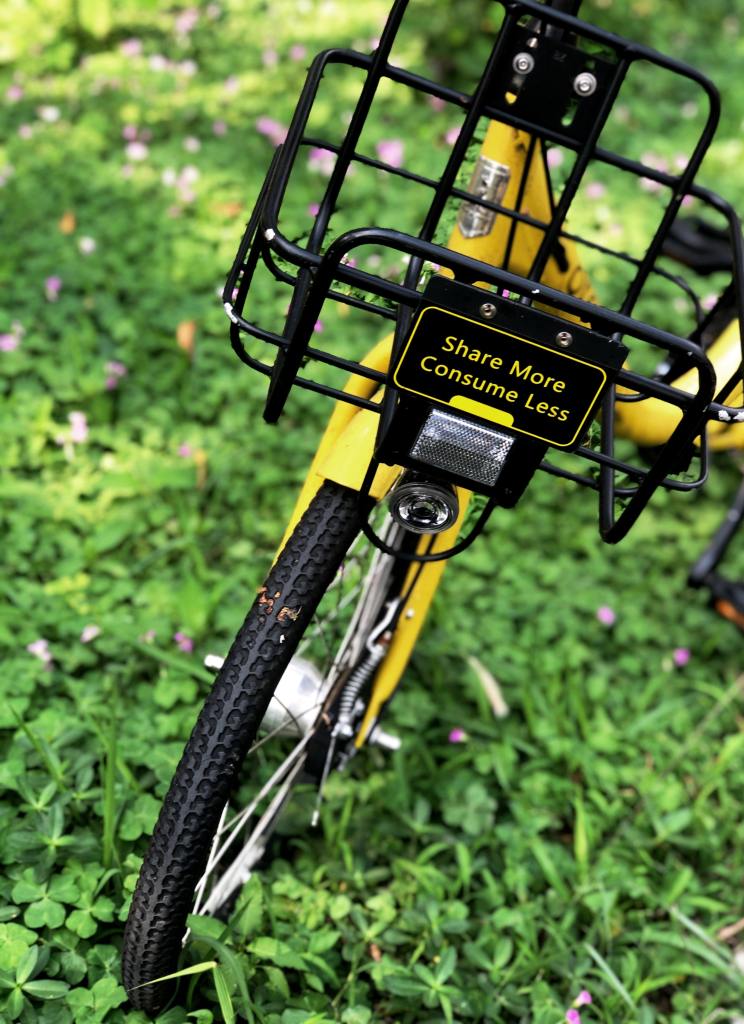
First I have to make sure I am safe, I need to make sure my bike is in full working order, particularly my brakes, and I will need some lights, and some waterproof clothing, and maybe some more equipment I haven’t even thought about.
I am pleased to see that bike lighting technology seems to have been through a revolution. There are loads of really stylish rechargeable models available and the brightness is dazzling. It’s a long way from the bulky dim battery powered lights that are languishing at the back of a draw in my house. Some of the prices are dazzling too but having to buy and dispose of alkaline AA batteries is something I want to avoid. I ask about dynamo lights. I can remember the bike I had as a kid had a dynamo set, I can remember the noise the little wheel made as it rubbed against the wheel, and the dim light it produced. Also how the lights stopped working as soon as the bike stopped moving. Since I have a number of traffic lights to negotiate I think this is not an option. I am told they are much better now, they have a sort of back up which means they say lit for a few minutes if you are stationary, there are some which operate from the wheel hub not the tyres, and even some that work off little magnets that attach to your spokes, but these only give a flashing light.
I look at them all, and decide that for now, I will go with the rechargeable ones. The light seems brighter, and the cost is also a factor. Investing in a dynamo system is probably something to think about if I decide I can use my bike more often. I get a decent set of rechargeable lights for £35 which are in the sale.
The waterproofs are the next problem. I look at the jackets and try on a few. I come over all Victoria Pendleton, and feel immediately like a professional cyclist; however my bike journey is only just a little over 3 miles, so it feels inappropriate. I will be cycling for about 15 minutes not a couple of hours. They are also fitted to be worn over proper cycling gear; I will be wearing them over my work clothes, including a jacket. Wearing cycling gear and carrying clothes in a pannier is not something I can contemplate. I am sure that my clothes would get all creased up, and I will be in dread of forgetting something. In the summer when I get into cycling most days, I leave a few pairs of shoes in the locker kindly provided by my employer, so that I wear my trainers whilst cycling, and then change into more appropriate office attire when I get there. Cycling days mean a restriction in the range of clothes I can wear that day, that’s all. I’ve learned which skirts and dresses are too tight or too short or billow out too much, and which trousers are too baggy and need clips to save them from the chain. I know I can handle that.
Some of the prices are also a bit steep for me. I know I will be saving money on transport, but do I really need to spend £150 or even more on a jacket. Luckily the sale rail comes to my rescue. I get a jacket for £30 which is roomy enough to go on over my normal work clothes and folds up really small. SO that’s the top half sorted, I have the same dilemma with trousers. I just need something I can pull on over my clothes. There really doesn’t seem to be anything suitable in the bike shop, so I try the outdoor shop. I get a pair of over-trousers, intended for people hiking, but I figure that they will do. Again they fold up small, and they have zips up the legs so you can pull them on over your shoes. I think they are a bargain at £25. So I’ve spent £90 on gear, and £65 on a bike service. SO once I’ve used the bike 104 times all my investment will be returned to me in saved bus fares.
I am now wondering what sort of impact this will have on my personal carbon footprint. The manufacture and transport of all these things I’ve bought have contributed carbon to the atmosphere, and even though I will save a few car journeys, mostly I am replacing journeys on public transport. The bus will still run every day, even if very slightly less crowded.
I have to use my bike for more things, replace more car journeys, use it for small shopping trips and any other short journeys where I find myself automatically going for the car keys. I’ll let you know how I get on.
 A middle aged woman's attempts at a low carbon life